Kitesurf vs Wingfoil
Two incredible sports, two different progression curves. Which one is right for you?
The beginner's dilemma
In recent years, Wingfoil has taken the beaches by storm. Many beginners now hesitate between learning kitesurfing or getting into wingfoil.
Although they share the same power source (the wind), the approach and sensations are very different. As a kitesurf school, we will give you an objective take on the strengths of each discipline.
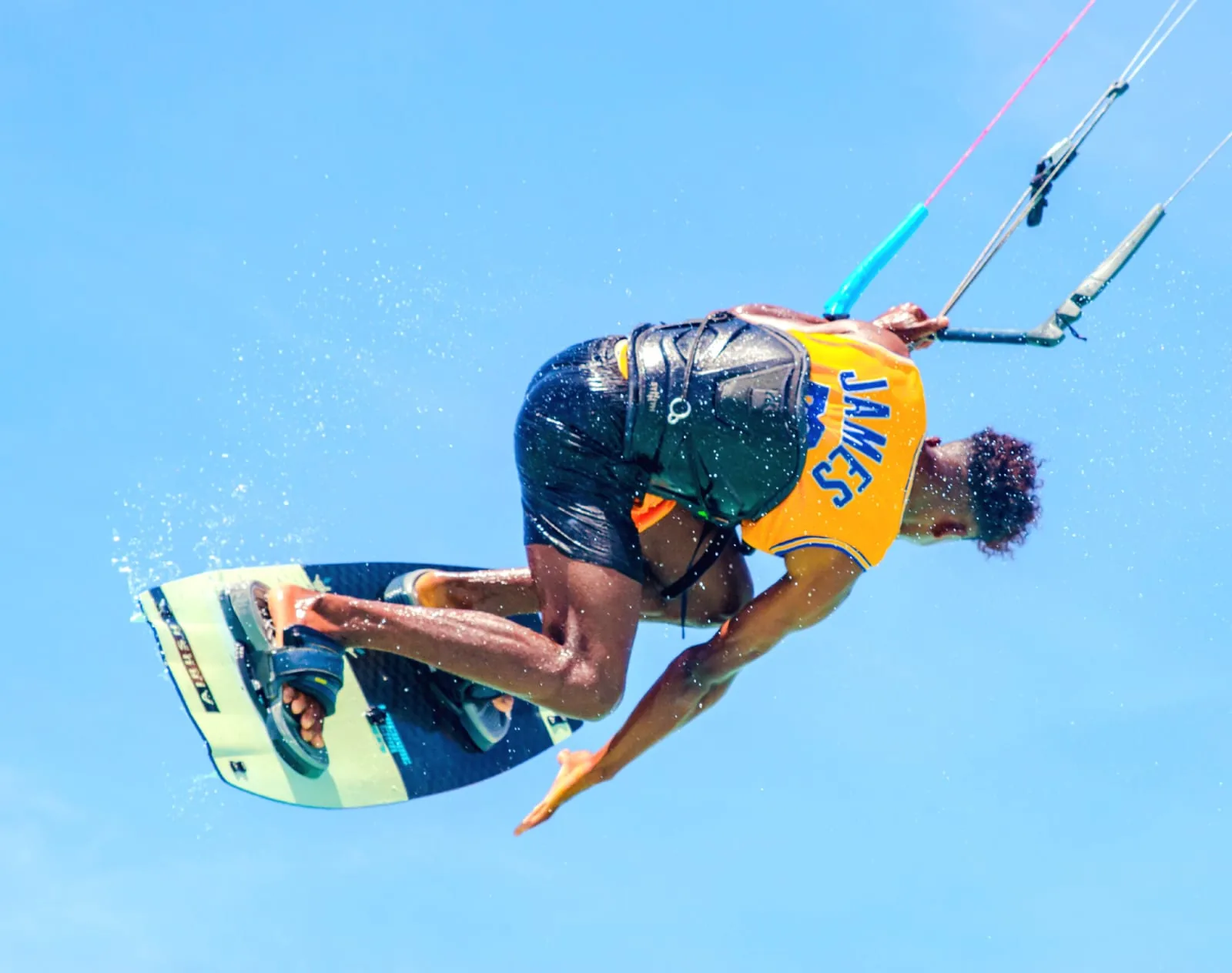
Kitesurf
- Initial progression: Slightly longer because you first need to master kite control in the air before using the board.
- Once standing: It's very easy! The board glides on the water (no foil at first), balance comes naturally.
- Sensations: Incredible jumps and an incomparable feeling of flight ("hangtime").
Wingfoil
- Initial progression: The wing is held by hand (no lines), it is very intuitive to handle.
- Once standing: That's where it gets tough! Mastering balance on the foil (the hydrofoil under the water) takes a lot of time and falls.
- Sensations: Smooth, silent gliding, like riding a magic carpet above the chop.
Our Verdict
If you dream of big jumps several meters high and explosive riding, Kitesurf is for you. If you prefer smooth gliding and wave riding, Wingfoil is ideal. At Sakalava, our shallow water is the ultimate paradise for learning kitesurfing safely!
Discover our kitesurf lessonsKitesurf vs Wingfoil: the comparison table
To decide, here are the criteria that really matter when choosing between these two wind sports: learning difficulty, progression, sensations, budget and ideal conditions.
| Criterion | Kitesurf | Wingfoil |
|---|---|---|
| Getting started | Kite flying first | Hand-held wing, intuitive |
| First glide | Board on water, natural balance | Foil balance, more demanding |
| Feel | Jumps, "hangtime", speed | Smooth, silent glide |
| Conditions | Flat lagoon ideal | Likes chop and swell |
| Autonomy | 9 to 12 h of lessons (private) | Longer on foil balance |
If you are starting out with a limited budget and holiday time, kitesurfing on a flat lagoon offers a clearer learning curve. If you love swell surfing, flying glide and portability, the wingfoil may win you over. Both have safety systems: follow the rules and start with a professional.
Learning at Sakalava: why the flat lagoon changes everything
Shallow water
Sakalava Bay offers a sandy bottom and calm water: you can stand easily, which reduces the stress of the first sessions and speeds up learning.
Constant wind
With the Varatraza (20-35 knots from April to November), every session happens in steady conditions. Learn more about Madagascar's weather and wind.
Private coaching
Our lessons are private (€45-47/h, 10-hour packs from €445) with an IKO-certified coach in the water 100% of the time. See the details on our lessons page.
What to remember before choosing
Coach's word: compromise vs specialisation
The wing offers an unbeatable simplicity/autonomy ratio in strong wind and a smooth transition from windsurfing. Kitesurfing remains unbeatable for jumps, power per square metre and freestyle progression, with a lighter entry budget.
At Sakalava, where the Varatraza blows 9 days out of 10, both are possible. But if you come to learn fast and progress, the school mostly bases its teaching on kitesurfing, while wingfoil is developing around the bay in sustained winds.
Starting from zero? Follow our guide to getting started with kitesurfing or ask for advice via the contact form.
Choosing your first discipline
The majority of our guests choose kitesurfing for its power and accessible learning curve in 20-25 knots. Some experienced sailors try the wing. Every season, we offer a free demo session so you can get a taste.
Questions & equipment
Kitesurfing uses a pilotable kite and a bi-directional board; the wing an inflatable wing you hold in your hands, without a bar. Want to try? The equipment is provided with the lessons.
Kitesurf or wingfoil: the verdict
Which sport is faster to learn?
In kitesurfing, with good wind and private coaching, most people land their first waterstart within 7 to 9 sessions. Wingfoil takes a bit more patience for the first foil.
Which one requires more physical effort?
Wingfoil engages more upper-body pulling; kitesurfing distributes the effort through the harness. In both cases, light strength training speeds up progress.
Can you do both on the same spot?
Yes, Sakalava Bay allows it, like many Indian Ocean spots detailed in our spot comparison.
What about the wallet?
The cost of the practice itself:
- Full kitesurf gear: from €1,500-2,000 new, or €60-120/day for rental.
- Wingfoil pack: board + wing + foil, often €2,500-3,500, with comparable daily rental.
- Private coach: €45-47/h at Sakalava, gear included in the lessons.
Good to know
During a stage, gear is provided: you can test kitesurf then wingfoil on the same trip before buying. Our trip budget details the full numbers.
Want to give it a try? Our kitesurf lessons in Madagascar include equipment rental. Book your session through our contact page.